
Book of Ra – Die besten Anbieter & Fakten


Book of Ra auf einen Blick:
| Bestes Casino: | https://www.arescasino.com |
| Walzen: | 5 |
| Gewinnlinien: | 9 |
| Hersteller: | Novomatic |
| RTP: | 96% |
| Volatilität: | Niedrig |
| Scatter: | ✅ |
| Wilds: | ✅ |
| Jackpot: | ❌ |
Er zählt zu den spannendsten und unterhaltsamsten Online Spielautomaten: Book of Ra. Das Novoline Spiel führt dich auf die Spuren einer längst vergessenen Welt und glänzt mit einer abenteuerlichen Aufmachung. Bei diesem Slot begibst dich auf die Suche nach dem legendären „Book of Ra“.
Bei einer RTP von fast 96% stehen deine Gewinnchancen mehr als gut, sodass du bereits bei kleinen Einsätzen solide Gewinne einstreichen kannst.
Hier kannst Du Book of Ra spielen
[ninja_tables id=“13282″]
Spielaufbau bei Book of Ra
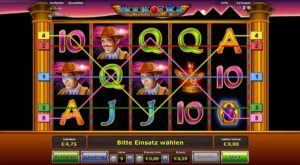
„Book of Ra“ präsentiert sich als klassischer fünf Walzen Slot mit drei Reihen. Zwischen fünf und neun Gewinnlinien kannst du aktivieren. Wie bei jedem Slot, gilt es, zwei bis fünf identische Symbole nebeneinander auf der Gewinnlinie anzuordnen, um attraktive Gewinne auszuschöpfen. Gezählt wird von links nach rechts.
Reihst du besonders wertvolle Symbole auf der Gewinnlinie aneinander, wirst du mit einem Vielfachen deines Einsatzes belohnt.
Direkt zu Beginn einer Runde legst du deinen maximalen Einsatz sowie die Anzahl der Gewinnlinien fest. Beide Faktoren zusammen machen deinen Gesamteinsatz pro Dreh aus. Pro Linie kannst zwischen fünf Cent und fünf Euro setzen und so je nach Anzahl der Linien deinen Gesamteinsatz variieren.
Zwar versprechen dir die Pharaonen bei Nutzung aller Gewinnlinien die besten Gewinnchancen, fordern aber dafür ihren Preis. Mach dir daher vor jeder Runde die Chancen und Risiken bewusst und triff deine Wahl ganz genau. Mit einem Klick auf „Start“ setzt du die Walzen in Bewegung.
Nun bleibt zu hoffen, dass die passenden Symbole an der richtigen Stelle erscheinen und dein Einsatz belohnt wird. Doch wie in vielen anderen Slots, verfügt jedes Symbol über individuelle Einsatzmultiplikatoren und wirkt sich maßgeblich auf deinen Gewinn aus.
Der Risikomodus
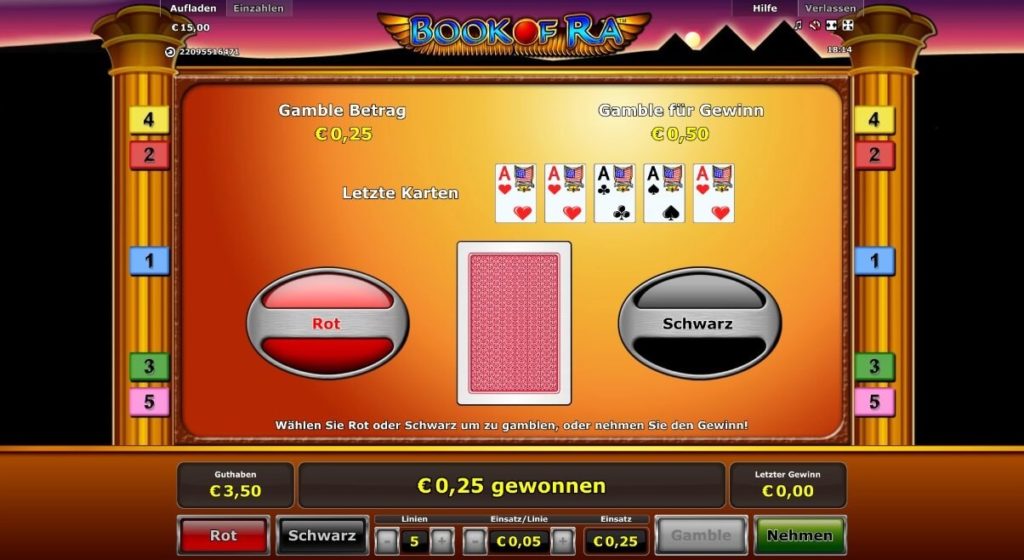
Freunde des Nervenkitzels kommen mit dem Gamble-Feature voll auf ihre Kosten und können ihr Glück noch ein wenig herausfordern. Mit Klick auf den Button „Gamble“ hast du fünfmal die Chance, deinen erspielten Gewinn beim Kartenrisiko zu verdoppeln.
Die Gewinnchance liegt hier bei fairen 50 zu 50, denn vor dem Aufdecken jeder Karte musst du entscheiden, ob diese rot oder schwarz sein wird. Zwar winkt dir im Siegesfall der ganz große Gewinn – liegst du jedoch nur ein einziges Mal daneben, ist dein erspielter Ertrag verloren.
Wir empfehlen dir daher, die Götter nicht zu sehr zu provozieren und diese Funktion mit Bedacht zu nutzen. Insbesondere bei dem Einsatz kleinerer Gewinne spielt das Gambling seine volle Stärke aus, da sich schnell eine ordentliche Auszahlung anhäuft. Bei dem Einsatz sehr hoher Gewinne empfehlen wir dir, zu bedenken, dass das große Geld mit einer falschen Entscheidung zurück in die Schatzkammern der Pharaonen wandert.
Das Besondere bei Book of Ra
So obliegt dem Logo des Slots, dem legendären „Book of Ra“, an dieser Stelle eine Wild- und Scatter-Funktion. Als Platzhalter füllt es Lücken in allen Gewinnkombinationen und ersetzt jedes andere Symbol. Doch das ist noch nicht alles. Drei Bücher an beliebiger Position verschaffen dir zehn Freispiele mit zufällig gewähltem Bonussymbol. Als Einsatz wird stets der der letzten Spielrunde übernommen.
Freispiele
Mit dem Freispiel-Feature kommen wir auch schon zu einem Highlight des Slots. Ein zufällig ausgewähltes Bonus-Symbol fungiert als Joker für alle zehn Freispiel-Runden und erhöht damit deine Chancen auf einen satten Gewinn. Fällt das Bonussymbol zwei, drei, vier oder fünf Mal in den Bonusrunden, multipliziert sich der Wert des Symbols mit den aktiven Gewinnlinien.
Symbole bei Book of Ra
| Symbol | 2x | 3x | 4x | 5x |
|---|---|---|---|---|
 | x10 | x100 | x1.000 | x5.000 |
 | x5 | x40 | x400 | x2.000 |
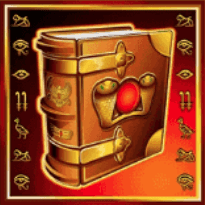 | – | x2 + 10 FS | x20 + 10 FS | x200 + 10 FS |
  | x5 | x30 | x100 | x750 |
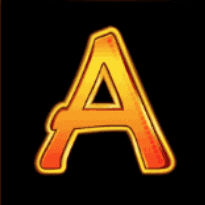  | – | x5 | x40 | x150 |
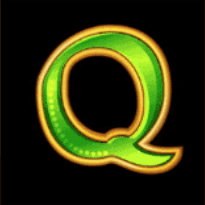   | – | x5 | x25 | x100 |
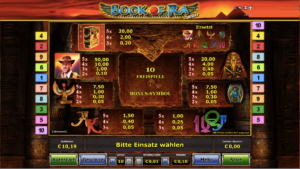
Neben den geläufigen 10, Bube, Dame, König und Ass ist der Slot mit typisch ägyptischen Symbolen gespickt. Hier gibt es den Forscher, dem Pharao, dem Skarabäus, der goldenen Statue der Sphinx und natürlich dem titelgebenden „Book of Ra“. Erscheint letzteres ganze fünf Mal, winken dir 9.000 Euro bei maximalen Einsatz. Eine sehr wichtige Rolle wird zudem auch dem Forscher zuteil, der deine Gewinne rasant in die Höhe schnellen lässt. Landen bei maximalem Einsatz fünf Symbole auf einer Gewinnlinie, darfst du dir das ganze 25.000 Euro in die Abenteurer-Taschen stecken.
Der goldene Sarkophag des Pharaos zählt zu den begehrtesten Symbolen und sichert dir bei fünffachem Erscheinen und maximalem Einsatz 10.000 Euro. Dicht dahinter folgt die Statue der Sphinx, die dich bei maximalem Einsatz und bei fünf Symbolen mit 3750 Euro belohnt. Der goldene Skarabäus bewegt sich hinsichtlich des Gewinns auf gleicher Stufe wie die Statue der Sphinx. Die Spielkartensymbole 10, Bube, Dame, König und Ass gehören allesamt zu einer Gewinnkategorie und sichern dir vor allem kleinere Gewinne. Unter dem Button Gewinne findest du alle genauen Details zu den Symbol-Werten.
Book of Ra kostenlos spielen
Mit Book of Ra präsentiert Novoline einen Spielautomaten-Klassiker, der dich mit zahlreichen Gewinnmöglichkeiten sowie einem nervenaufreibenden Gambling-Feature in den Bann zieht. Dank charmanter Grafik glänzt der Slot mit einer individuellen Atmosphäre und hält den Spannungsbogen auf einem konstant hohen Level. Möchtest du dich mit den Funktionen des Slots zunächst vertraut machen, hast du die Möglichkeit, Book of Ra kostenlos zu testen. Ist dir das zu langweilig, steht dir der Slot ohne lästigen Download bei Stargames zur Verfügung. Begib dich auf ein packendes Abenteuer und erkunde eine Welt voller Geheimnisse und Reichtümer.